


he U.S. military launched a heavy wave of retaliatory strikes against Iranian targets across the Middle East early Thursday, following an intercepted Iranian missile attack aimed at American forces stationed in Jordan.
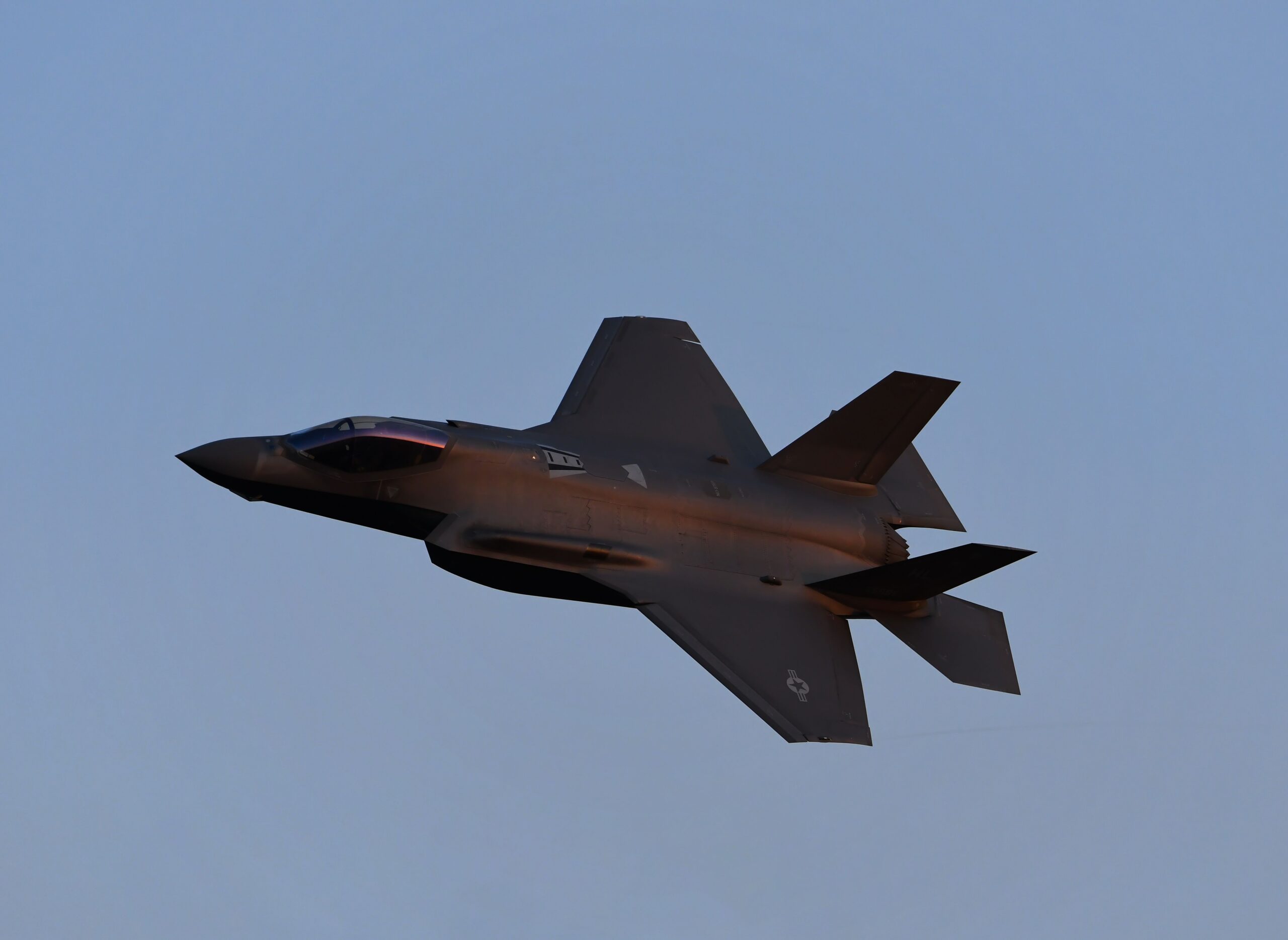
According to U.S. Central Command, American forces conducted a coordinated two-hour operation targeting dozens of sites belonging to Iran’s Islamic Revolutionary Guard Corps. The targets included military command centers, missile and drone infrastructure, and coastal surveillance and defense installations. Iranian state media reported explosions in Khuzestan province and damage on Qeshm Island near the Strait of Hormuz, with at least two people injured.
Escalation Across Multiple Fronts
The military action followed explicit warnings from President Donald Trump, who vowed to hit Iran “very hard” in response to the strike targeting U.S. personnel in Jordan.
“We’re going to be hitting them very hard because it’s our turn to hit them,” President Trump stated during an Oval Office event prior to the retaliatory wave.
The broader flare-up also coincided with joint U.S. and Saudi strikes against Iran-backed militia targets in neighboring Iraq, as well as mysterious drone strikes that ignited fires on two natural gas vessels at the Egyptian port of Damietta.
Fragile Ceasefire Collapses
The latest exchanges mark a sharp collapse of recent diplomatic momentum. Regional mediators from Qatar, Oman, and Egypt had been attempting to bring Washington and Tehran back to the negotiating table following the collapse of an earlier interim agreement.
Tensions in the region remain focused on the Strait of Hormuz—a vital maritime bottleneck for global oil and natural gas shipments—where renewed hostile actions have effectively halted commercial transit and raised global economic concerns. While regional mediators report they are still attempting to reach both sides, officials acknowledge the prospects for an immediate de-escalation remain slim as military operations continue.